
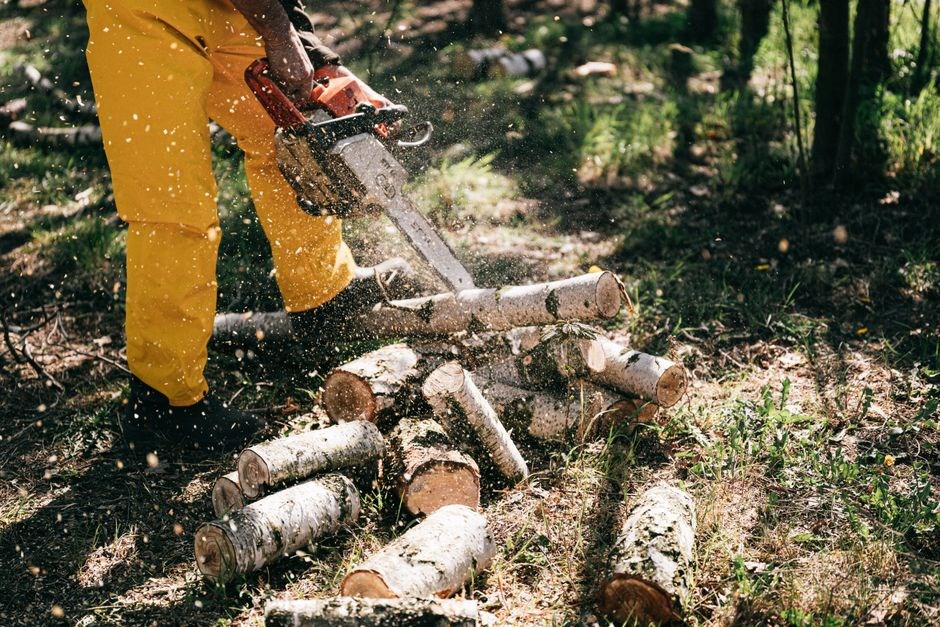
Overview of the Stihl MS170 Chainsaw
The Stihl MS170 chainsaw manual offers concise guidance on setup, safety, and maintenance. It covers engine specs, fuel system, and cutting techniques, and includes troubleshooting for common issues. The PDF is freely downloadable from the Internet Archive and other sites. quick guide and tips. here.!!
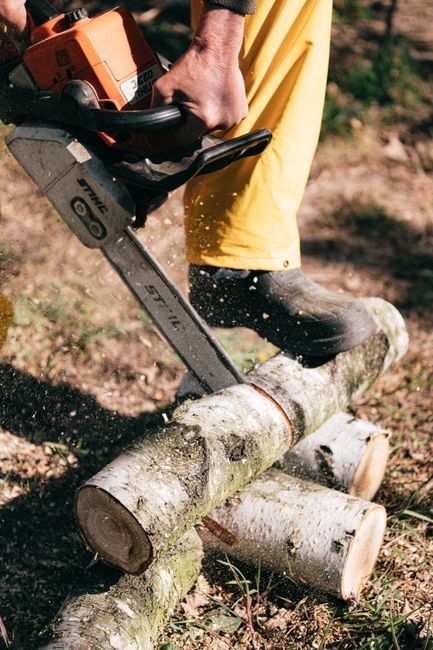
Key Features and Specifications
Engine: 4‑stroke, 1.2 L, 170 cc, 1.9 kW. Weight: 4.5 kg. Chain: 80 mm, 2.5 mm pitch. Fuel: 4‑bar, 2‑bar. Oil: 15 L. Safety: recoil‑free start, anti‑kickback guard, automatic chain brake. Manual available PDF online. Ideal for residential use, with low vibration.

Engine Performance
The Stihl MS170’s 4‑stroke, 1.2‑liter, 170‑cc engine delivers 1.9 kW (2.5 hp) at 5,000 rpm, providing a smooth, consistent power curve ideal for residential cutting. Its lightweight design, weighing only 4.5 kg, reduces operator fatigue while maintaining robust torque. The engine incorporates a low‑friction piston and a high‑efficiency carburetor that ensures rapid throttle response and optimal fuel/air mixture, even in cold weather. The 4‑bar fuel pressure system and 2‑bar oil pressure guarantee reliable starting and sustained operation. The MS170’s compression ratio of 10.5:1 balances power output with fuel economy, and the integrated recoil‑free start system eliminates the need for a pull‑rope, enhancing safety for beginners. The engine’s cooling system uses a large, vented cylinder head and a fan‑driven cooling fan that dissipates heat quickly, preventing overheating during extended cuts. The manual’s service section details routine checks: oil level, spark plug condition, and air filter cleaning. Regular maintenance extends engine life and keeps emissions low, complying with environmental regulations. The MS170’s engine also features a built‑in anti‑kickback system that automatically engages the chain brake when sudden jarring occurs, protecting the operator from injury. Overall, the engine’s combination of power, reliability, and safety makes it a dependable choice for homeowners and light‑commercial users alike.
For optimal performance, the MS170 recommends changing the oil every 20 hours of use or after the first 10 hours, whichever comes first. The spark plug should be inspected after every 50 hours and replaced if the electrode gap widens beyond 0.8 mm. The air filter, located in the upper engine compartment, should be cleaned with a soft brush or compressed air and replaced if clogged. The carburetor’s idle mixture screw can be adjusted to fine‑tune idle speed, ensuring a steady 1,200 rpm idle during standby. The manual also advises checking the fuel line for cracks and ensuring the fuel cap is sealed to prevent evaporation. By following these guidelines, users can maintain peak engine performance, reduce wear, and avoid costly repairs.
Weight and Balance
The Stihl MS170 chainsaw is engineered for ergonomic handling, weighing 4.5 kg (9.9 lb) without the fuel tank. This lightweight profile reduces operator fatigue during prolonged use, making it ideal for residential tasks. The balance point is located near the front handle, ensuring a neutral feel when the saw is held upright.
When the 5 L fuel tank is filled, the total weight is 6.8 kg (15 lb). The chain tensioner is located near the front, allowing quick adjustment without shifting balance. The MS170’s chain drive system maintains consistent torque distribution, reducing vibration and enhancing cutting efficiency. The lightweight aluminum housing also reduces overall vibration, allowing for smoother cuts and less operator fatigue during extended sessions.
For optimal balance, keep the chain guard closed and the safety lever engaged. The manual advises checking chain alignment before use, as misalignment can shift weight distribution and increase fatigue. The MS170’s lightweight frame contributes to a low moment of inertia, enabling rapid acceleration and deceleration during cuts. Its balanced weight distribution also helps prevent chain kickback, enhancing safety during both straight cuts and angled cuts.
Maintenance of weight distribution is simple: clean the chain, adjust tension, and seal the fuel cap to prevent evaporation. Following these steps preserves the saw’s balance and extends its life. The MS170’s design emphasizes user comfort, making it a preferred choice for homeowners. All ensure reliability!

Understanding the User Manual Structure
Manual Layout and Index
The Stihl MS170 manual is structured into a clear, user‑friendly layout that guides operators from initial setup to advanced maintenance. The front covers a concise Table of Contents that lists every major section: Safety, Engine, Fuel, Cutting, Maintenance, Troubleshooting, and the Appendix. Each chapter begins with a brief overview, followed by numbered steps and illustrated diagrams. The index at the back is alphabetized, allowing quick lookup of terms such as “chain tension,” “spark plug,” and “oil filter.” Page numbers are aligned to the right margin, and each entry includes a short description and the page reference. The manual also features a section on safety guidelines that is highlighted in a separate color block for easy reference. In addition, a maintenance checklist is provided as a downloadable PDF, which can be printed and kept in the tool kit. The layout is designed to be portable, fully with the manual folded into a 3‑in‑by‑5‑in. The index is the most valuable resource for quick troubleshooting, as it lists common issues and their solutions along with the corresponding page numbers. By following the layout, users can quickly locate the information needed for safe operation and efficient maintenance of the MS170 chainsaw;
For quick reference, the index is organized alphabetically and includes cross‑references. Each entry lists the page number and a brief note on the topic. Users can also use the online version, which offers a searchable index for faster navigation. The manual’s layout ensures that even novice operators can find the information they need without flipping through pages.
Safety Guidelines Section
Before operating the Stihl MS170, read the safety section of the manual carefully. Always wear approved personal protective equipment: a hard hat, eye protection, hearing protection, gloves, and chain‑guard boots; Keep the work area clear of bystanders and ensure a stable footing. Inspect the chain for sharp points, proper tension, and adequate lubrication before each use. The manual recommends a chain oil rating of 0.8 wt% and a 4‑inch oil capacity. Check the spark plug for fouling and replace it if necessary. Never operate the chainsaw with a damaged or bent chain; cut it with a saw or replace it with a new one. The manual stresses the importance of maintaining a 45‑degree angle between the saw and the workpiece to avoid kickback. Use the chain brake when not cutting and when moving the saw. The safety guidelines also advise against cutting in wet or icy conditions, as the chain may slip. Keep the fuel tank capped when not in use, and store the chainsaw in a dry, well‑ventilated area. The safety checklist is located on page 12 and includes a quick‑reference diagram of the chain brake, safety latch, and emergency stop. Follow these steps to minimize injury and prolong the life of the MS170.
The manual also outlines the proper handling of fuel and oil. Always use the specified 2‑stroke fuel mixture, and avoid overfilling the tank. When refueling, keep the chainsaw upright and avoid spilling. The manual recommends cleaning the fuel filter every 50 hours of operation. In addition, the safety section highlights the importance of checking the chain tension regularly; a loose chain can cause sudden jumps. The manual provides a simple tensioning procedure: lift the saw, pull the chain until it slides easily, and tighten the tensioner until the chain is snug. Also, the manual warns against using the chainsaw in windy conditions, as wind can shift the chain. Finally, the safety guidelines remind users to keep the chain guard in place at all times, and to never leave the chainsaw unattended while the engine is running. Following these precautions will help ensure safe operation and extend the lifespan of the MS170.

Installation and Setup Instructions
Mount the MS170 on a stand, secure the chain guard, and connect the fuel line to the 2‑stroke mixture. Tighten the chain tensioner until the chain slides smoothly. Verify oil level, then start the engine with the recoil starter. Test the chain brake before cutting. Ensure chain guard closed oil topped.
Mounting the Chainsaw on a Stand
Follow the MS170 manual steps to secure the saw on a stable stand. First, place the stand on a level surface and adjust the legs so the base is firmly planted. Next, lift the chainsaw using the handle and position it so the rear wheel rests on the stand’s mounting plate. Align the wheel with the plate’s center notch, then lower the saw until the wheel locks into place. Secure the wheel with the provided clamp, tightening it until the clamp’s jaws fully engage the wheel rim. Check that the wheel is not wobbling by gently rocking the saw; any movement indicates a loose clamp. Once the wheel is locked, attach the chain guard by sliding over the chain bar and tightening the guard’s fasteners. Verify that the guard covers the entire chain path and that the chain is properly tensioned. Finally, confirm that the saw’s handle is positioned at a comfortable height, and that the fuel line is not kinked or pinched. With the saw mounted, you can proceed to connect the fuel system and start the engine as described in the next section. After mounting, perform a quick test run to ensure the chain runs smoothly and the guard remains secure; listen for any abnormal noises and verify that the chain tension is correct before any actual cutting. If any issues arise, consult the troubleshooting section of the MS170 manual for guidance on resolving common problems such as misfires, fuel leakage, or chain wear. Proper maintenance will extend the life of the saw an ensure safe operation during job.
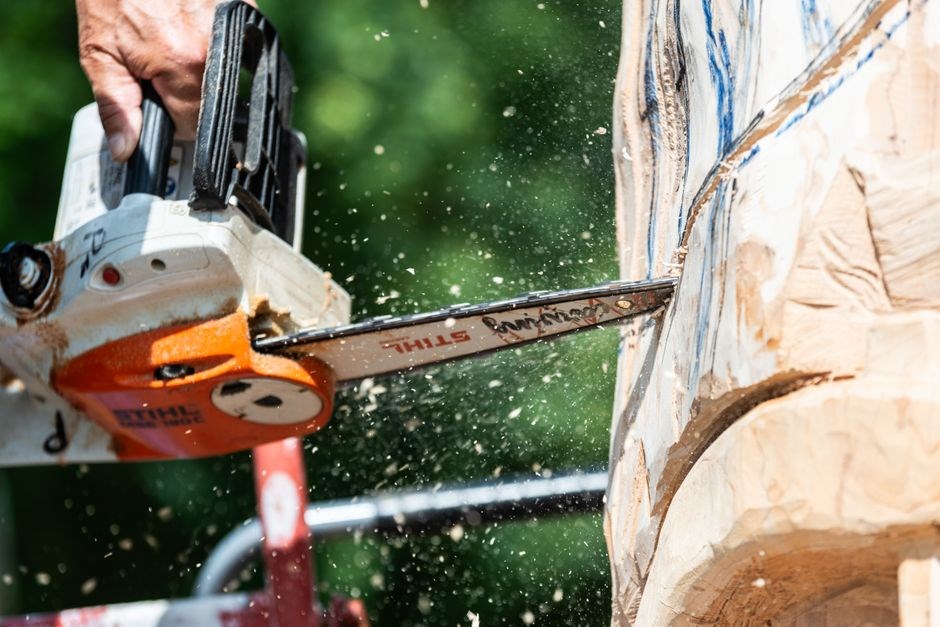
Connecting the Fuel System
Connecting the fuel system on the Stihl MS170 chainsaw is a critical step that ensures reliable engine performance and longevity. The manual specifies that the fuel tank should be filled with fresh, unleaded gasoline containing at least 10 % ethanol, and that the fuel line must be inspected for cracks or kinks before installation. To connect, first locate the fuel inlet on the engine’s left side, then slide the fuel hose onto the inlet, ensuring a snug fit. Secure the hose with the supplied clamp, tightening it until the clamp’s jaws fully engage the hose’s outer diameter. Next, route the hose away from the moving parts and the heat source, avoiding any sharp bends that could restrict flow. Finally, attach the other end of the hose to the fuel tank’s outlet, again using the clamp to secure it. Once the fuel line is in place, check for leaks by inspecting the clamp areas for any drips. If a leak is detected, tighten the clamp further or replace the hose if necessary. The manual also advises using a fuel filter if the chainsaw will be operated in dusty environments, as this will protect the carburetor from contaminants. After securing the fuel system, perform a brief engine start test to confirm that fuel delivery is smooth and that the engine runs without hesitation. For optimal performance, keep the fuel filter clean and replace it every 200 hours of use; also, always use a fuel additive that prevents gum formation in cold weather, ensuring smooth combustion, reducing wear on the carburetor!!
Operating Procedures
Follow the MS170 manual’s operating steps: start the engine with the choke engaged, then release it gradually. Use the forward and reverse chainsaw grips for safe cutting. Keep the chain tension correct, and always wear protective gear. After use, clean the chain and oil the bar. Ensure chain is sharp.
Starting the Engine
Begin by ensuring the fuel tank holds fresh gasoline mixed with the correct oil ratio, typically 50:1 for the MS170. Check that the choke lever is in the “choke” position and the throttle is fully closed. Place the chainsaw on a stable surface, preferably a flat workbench or a dedicated stand, and secure it with a clamp or a safety stand to prevent accidental movement during ignition.
Pull the safety lever to the “on” position, then engage the electric starter by pulling the starter rope firmly and steadily. If the engine does not fire after a few pulls, release the choke, allow the engine to warm up, and try again. Once the engine reaches idle speed, gradually open the choke until the engine runs smoothly. Adjust the throttle to the desired speed, keeping the chain tension within the manufacturer’s recommended range. Always wear protective gloves, eye protection, and hearing protection during startup and operation.
After the engine is running, perform a quick inspection of the air filter, spark plug, and carburetor jets for any debris or wear. Clean or replace components as needed. Finally, let the engine idle for a few minutes before beginning any cutting tasks to ensure optimal lubrication and temperature stability. Remember to check the chain tension after every 30 minutes of use, and adjust the tensioner as needed to maintain optimal cutting performance. If the chain becomes dull, sharpen it with a proper file or use a pro sharpening service to ensure safety and efficiency.!!
Cutting Techniques and Maintenance Tips
When operating the Stihl MS170, maintain a firm grip and keep both hands on the handle bars. Position the chainsaw at a 45‑degree angle to the log, allowing the chain to bite smoothly. Use a steady, rhythmic motion, letting the engine do the work rather than forcing the saw. For cross‑cutting, start at the top of the log and work your way down, keeping the chain level to avoid tear‑off.
After each cut, pause to inspect the chain for wear or damage. If the chain has lost tension, use the tensioner screw to bring it back to the correct setting. Clean the chain with a stiff brush to remove sawdust, which can clog the oil system. Check the oil level in the reservoir; top it up with the recommended Stihl oil if it falls below the minimum mark.
Regular maintenance includes cleaning the air filter every 50 hours of use, replacing it when it shows signs of clogging. Inspect the spark plug for fouling; replace it if the gap is out of spec. Keep the fuel filter clean and replace it every 200 hours or if fuel has degraded. Store the chainsaw in a dry place, and before long‑term storage, drain the fuel tank or add a fuel stabilizer to prevent varnish buildup.

Always follow the manufacturer’s safety guidelines: wear eye protection, ear protection, gloves, and a helmet. Keep the work area clear of obstacles and ensure that the chain guard is properly positioned. By adhering to these cutting techniques and maintenance tips, you’ll extend the life of the MS170 and achieve cleaner, safer cuts. Keep chain sharp for safety daily;
Troubleshooting Common Issues
Check fuel quality, clean carburetor, ensure chain tension, inspect spark plug, verify oil level, confirm air filter cleanliness. If engine stalls, inspect fuel line for leaks and replace fuel filter. For low power, clean intake and adjust throttle. Check chain wear
Battery and Carburetor Problems
When the Stihl MS170 fails to start or runs rough, the first checks should focus on the battery and carburetor. A weak or dead battery will prevent the electric start from engaging; replace the battery with a new 12‑volt unit that meets Stihl specifications, ensuring correct polarity and secure connections. The carburetor, a critical component for fuel delivery, can become clogged with old fuel or debris. Remove the carburetor, disassemble it, and clean all jets and passages with a carburetor cleaner. Reassemble with fresh gasket and check for proper fuel flow. If the engine still misfires, inspect the fuel line for kinks or leaks, and replace the fuel filter. Verify that the choke is functioning correctly; a stuck choke can cause a rich mixture. Finally, confirm that the spark plug is clean and properly gapped; a fouled plug can lead to incomplete combustion. Following these steps will resolve most battery and carburetor related issues on the MS170. To prevent future carburetor issues, always store the chainsaw in a dry environment and use fresh fuel; avoid letting old gasoline sit for more than 30 days, as it can gum up the carburetor jets. Additionally, keep the spark plug gapped to the manufacturer’s specification; a plug that is too tight or too loose can also cause misfires and reduce overall performance. Finally, schedule regular maintenance checks every 50 hours of use, and replace worn parts promptly to ensure safe and efficient operation. Ensure proper maintenance and inspections. regularly