

“Memoirs of a Geisha”, by Arthur Golden, unveils the captivating world of geishas, offering a glimpse into a traditionally secretive Japanese culture․
The novel, available as a PDF, recounts Sayuri’s journey, exploring themes of survival, identity, and the complexities of performance and societal expectations․
Published in 1997, it quickly became a bestseller, sparking both acclaim and controversy regarding its authenticity and representation of geisha life․
Historical Context of the Book
“Memoirs of a Geisha” transports readers to pre-World War II Japan, specifically Kyoto, a city steeped in tradition and artistry․ The novel meticulously recreates the atmosphere of the 1930s and 40s, a period marked by significant social and political upheaval․
The geisha world, as depicted, flourished during this time, serving as a unique form of entertainment and social interaction․ However, the looming shadow of war and subsequent American occupation dramatically altered Japanese society, impacting the geisha’s role․
Golden’s work, often sought in PDF format for convenient reading, provides a window into a fading world, a glimpse of a cultural practice undergoing profound transformation․ Understanding this historical backdrop is crucial to appreciating the novel’s nuances and the challenges faced by its protagonist, Sayuri․
Author Arthur Golden and the Controversy
Arthur Golden, the author of “Memoirs of a Geisha,” faced significant criticism upon the book’s release, despite its widespread popularity and availability as a PDF download․ The controversy centered on questions of authenticity and cultural appropriation․ Critics, including some geisha themselves, argued that Golden, lacking direct experience within the geisha community, relied heavily on secondary sources and potentially misrepresented their lives․
Concerns were raised about the novel’s portrayal of geisha as primarily sexual figures, overshadowing their artistic skills and intellectual pursuits․ Golden defended his work, emphasizing it was a work of fiction inspired by, not a factual account of, geisha life․
The debate continues to spark discussion about the ethics of writing about cultures outside one’s own lived experience․
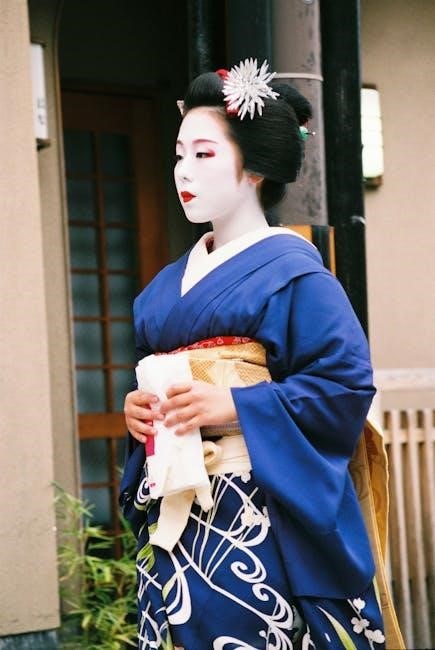
The Story of Sayuri
The narrative, often found in PDF format, follows Sayuri, a young girl sold into a geisha house, detailing her arduous journey of transformation and survival․
Sayuri’s Early Life and Background
Sayuri’s story, accessible through various PDF versions of the novel, begins not in the glamorous world of Kyoto’s geisha districts, but in a humble fishing village called Yoroido․
Born Chiyo, she experiences a childhood marked by poverty and the love of her devoted father and sister, Satsu․
Circumstances force her and Satsu to be sold to different okiya (geisha houses) – a heartbreaking separation that sets Chiyo on a path she never anticipated․
This initial hardship, vividly portrayed in the book and often highlighted in PDF summaries, establishes the core themes of resilience and the loss of innocence that define her journey․
Her early life shapes her determination to survive and ultimately thrive within the demanding and intricate world of the geisha․
Chiyo’s Transformation into Sayuri
Chiyo’s arrival at the okiya marks the beginning of a rigorous and often cruel transformation, detailed extensively in readily available PDF copies of “Memoirs of a Geisha․”
She faces intense jealousy from Hatsumomo, a prominent geisha, who actively seeks to sabotage her progress and happiness․
Under the guidance of Mameha, a celebrated and experienced geisha, Chiyo begins her training, learning the arts of conversation, music, dance, and the subtle art of pleasing clients․
This mentorship is crucial, and the PDF version of the book emphasizes Mameha’s role in shaping Chiyo into the captivating Sayuri․
The name change symbolizes her rebirth and acceptance into the geisha world, a world demanding both artistry and sacrifice․

Key Characters in the Novel
“Memoirs of a Geisha,” easily found as a PDF, features compelling characters like Sayuri, Hatsumomo, Mameha, and the enigmatic Chairman․
Their interwoven stories drive the narrative, exploring themes of rivalry, mentorship, and elusive love within Kyoto’s geisha districts․
Hatsumomo: The Rival Geisha
Hatsumomo, a central figure readily encountered within the PDF version of “Memoirs of a Geisha,” embodies ambition and ruthless determination․ She represents a significant obstacle in Sayuri’s path, driven by a desire to maintain her position as the most favored geisha in the okiya․
Her character is defined by jealousy and a willingness to employ manipulative tactics, creating constant conflict and hardship for Sayuri․ Hatsumomo’s beauty and established clientele initially intimidate the younger Chiyo (later Sayuri), fueling a fierce rivalry․ She actively attempts to sabotage Sayuri’s training and opportunities, viewing her as a threat․
Golden portrays Hatsumomo as a complex antagonist, showcasing both her vulnerabilities and her capacity for cruelty, making her a memorable and impactful character within the narrative․
Mameha: Sayuri’s Mentor
Mameha, a prominent character accessible throughout the “Memoirs of a Geisha” PDF, serves as Sayuri’s crucial mentor and guide within the intricate world of the geisha houses․ She is a celebrated and respected geisha herself, possessing both beauty and wisdom․
Recognizing Sayuri’s potential, Mameha takes her under her wing, providing invaluable instruction in the arts of conversation, dance, and social etiquette․ She imparts not only technical skills but also the subtle nuances of navigating the complex social dynamics of Kyoto society․
Mameha’s guidance is instrumental in Sayuri’s transformation and eventual success, offering a contrasting force to the antagonism of Hatsumomo and embodying grace and strategic intelligence․
The Chairman: A Mysterious Figure
The Chairman, a central enigmatic presence throughout Arthur Golden’s “Memoirs of a Geisha,” readily available as a PDF, captivates Sayuri from a young age․ He represents a figure of quiet power and unattainable desire, sparking a lifelong fascination within her․
His initial kindness towards Sayuri, offering a small confection, becomes a pivotal moment, fueling her ambition and shaping her journey․ The Chairman remains largely elusive, his true intentions and feelings shrouded in mystery, adding to his allure․
He embodies a subtle influence, a silent benefactor whose presence looms large in Sayuri’s life, driving her pursuit of becoming a successful geisha and ultimately, seeking his attention․

Geisha Culture Explained
“Memoirs of a Geisha,” often found as a PDF, intricately details the rigorous training, societal role, and the unique world of the okiya, or geisha houses․
The Rigorous Training of a Geisha
As depicted in “Memoirs of a Geisha,” readily available as a PDF, the path to becoming a geisha was intensely demanding․ Young girls, often sold into service, underwent years of strict instruction․ This encompassed mastering traditional Japanese arts – dance, music (shamisen, flute, drums), singing, calligraphy, and the art of conversation․
Beyond artistic skills, training focused on etiquette, poise, and the subtle nuances of entertaining․ A geisha’s appearance was meticulously curated, including elaborate kimono, makeup (oshiroi), and hairstyles․ The okiya environment was highly structured, with a hierarchy of seniority and strict rules governing behavior․
This comprehensive education aimed to transform a girl into a sophisticated and captivating entertainer, skilled in creating an atmosphere of refined pleasure for her clients․
The Role of Geisha in Japanese Society
“Memoirs of a Geisha,” accessible in PDF format, illuminates the complex position of geisha within Japanese society․ They were not simply courtesans, but highly skilled entertainers and conversationalists, valued for their ability to create a refined and welcoming atmosphere․
Geisha provided companionship and artistic performance for men, often those in positions of power and influence․ They were expected to be knowledgeable in current events, literature, and the arts, engaging in witty and intelligent conversation․
Their role was to offer a temporary escape from the pressures of daily life, embodying elegance and grace․ While misconceptions existed, geisha were respected figures, representing a unique facet of Japanese cultural heritage․
Okiya and the Geisha Houses
“Memoirs of a Geisha,” often found as a PDF download, vividly portrays the okiya, or geisha houses, as central to a geisha’s life and career․ These establishments functioned as both home and workplace, governed by a strict hierarchical structure․
The okiya provided training in the arts – music, dance, conversation – essential for a geisha’s success․ Young girls, like Chiyo in the novel, entered into contracts with the okiya, committing years to rigorous preparation․
The house mother, or okasan, managed the geisha’s schedules, finances, and social engagements․ The okiya was a complex world of competition, loyalty, and tradition, shaping the geisha’s identity and destiny․

“Memoirs of a Geisha” as a Literary Work
Golden’s novel, widely available as a PDF, employs a first-person narrative, immersing readers in Sayuri’s world․ It explores themes of identity and resilience․
The book’s lyrical prose and detailed descriptions contribute to its enduring appeal and critical discussion․
Narrative Style and Point of View
“Memoirs of a Geisha” is uniquely presented as a first-person narrative, purportedly recounting the life story of Sayuri, a renowned geisha․ This stylistic choice is crucial, offering intimate access to her thoughts, feelings, and perceptions of the world around her․ The story unfolds as if Sayuri is directly addressing the reader, creating a sense of immediacy and emotional connection․
The narrative structure, often found in PDF versions of the book, mimics the form of a memoir, lending an air of authenticity, despite the debated factual basis․ Golden masterfully employs descriptive language and evocative imagery, transporting readers to the vibrant and secretive world of Kyoto’s geisha districts․ The point of view is consistently maintained, allowing for a deep exploration of Sayuri’s internal struggles and her journey of self-discovery․
This narrative technique shapes how the reader interprets events and characters, fostering empathy and understanding for Sayuri’s complex experiences;
Themes of Identity and Survival
Central to “Memoirs of a Geisha,” readily apparent even in PDF formats, are the profound themes of identity and survival․ Sayuri’s journey is fundamentally about forging an identity within a rigid and demanding social structure․ Stripped of her original name and family, she must learn to navigate the complex world of the okiya and redefine herself as a geisha․
The novel explores how external forces – societal expectations, rivalry, and the desires of others – shape one’s sense of self․ Survival isn’t merely physical; it’s about maintaining dignity and agency in a system designed to control and commodify women․ Sayuri’s resilience and determination to overcome adversity highlight the strength of the human spirit․
Ultimately, the book examines the price of adaptation and the search for authentic selfhood․

Finding “Memoirs of a Geisha” PDF Online
Numerous websites offer a “Memoirs of a Geisha” PDF, but caution is advised; prioritize legitimate sources to avoid copyright infringement and malware risks․
Legitimate Sources for PDF Downloads
Locating a legal PDF of “Memoirs of a Geisha” requires careful navigation․ While free downloads are tempting, they often infringe copyright and expose users to security threats․
Reputable online bookstores, such as Amazon and Barnes & Noble, frequently offer digital versions for purchase, ensuring a safe and legal reading experience․
Additionally, some library systems provide access to ebooks, including “Memoirs of a Geisha,” through their digital lending platforms․ Checking your local library’s website is a great starting point․
Subscription services like Scribd or Google Play Books may also host the title, offering access as part of a monthly fee․ Always verify the source’s legitimacy before downloading any file to protect your device and support authors’ rights․
Risks of Downloading from Unofficial Sites
Seeking a free PDF of “Memoirs of a Geisha” from unofficial websites carries significant risks․ These sites often distribute pirated copies, violating copyright laws and potentially exposing you to malware․
Downloading from such sources can lead to viruses, spyware, and other malicious software compromising your device and personal information․
Furthermore, the quality of these illegally obtained files is often poor, with formatting errors and missing pages disrupting the reading experience․

Supporting piracy undermines authors and publishers, hindering the creation of future literary works․ Opting for legitimate sources ensures a safe, legal, and high-quality reading experience, protecting both your digital wellbeing and the creative industry․

Criticism and Reception of the Book
“Memoirs of a Geisha” garnered both praise and scrutiny, with debates surrounding its authenticity and cultural representation, despite its widespread popularity as a PDF․
Positive Reviews and Accolades
Upon its release, “Memoirs of a Geisha” received overwhelmingly positive reviews, quickly ascending bestseller lists and captivating readers worldwide, even in PDF format․ Critics lauded Arthur Golden’s evocative prose and his ability to transport readers to the intricate and mysterious world of the geisha districts of Kyoto․
Many praised the novel’s compelling narrative, focusing on Sayuri’s resilience and her journey of self-discovery amidst challenging circumstances․ The book was celebrated for its detailed depiction of geisha culture, offering a unique and immersive experience․ It earned numerous accolades, including a spot on the New York Times bestseller list for an extended period and recognition as a Book-of-the-Month Club selection․
Readers and reviewers alike were drawn to the novel’s exploration of themes like identity, survival, and the complexities of female roles in Japanese society, solidifying its place as a significant work of contemporary fiction․
Criticisms Regarding Authenticity and Representation
Despite its widespread popularity, “Memoirs of a Geisha,” even when accessed as a PDF, faced significant criticism concerning its authenticity and representation of geisha culture․ Some Japanese critics and former geisha questioned the accuracy of Golden’s portrayal, arguing that it relied heavily on Western stereotypes and sensationalized aspects of their lives․

Concerns were raised about the novel’s depiction of the geisha world as overly sexualized and exploitative, potentially perpetuating harmful misconceptions․ Critics also pointed to the author’s reliance on secondary sources and limited direct interaction with geisha during his research․
The debate sparked discussions about cultural appropriation and the responsibility of authors when portraying sensitive cultural practices, highlighting the complexities of representing a closed and historically misunderstood world․

Adaptations of “Memoirs of a Geisha”
The novel’s success led to a 2005 film adaptation and stage productions, expanding its reach beyond the PDF and printed book formats․
These adaptations brought Sayuri’s story to a wider audience, though interpretations varied regarding faithfulness to the original narrative․
The 2005 Film Adaptation
Directed by Rob Marshall, the 2005 film adaptation of “Memoirs of a Geisha” starred Zhang Ziyi as Sayuri, alongside Ken Watanabe and Michelle Yeoh, bringing Golden’s narrative to the big screen․
While visually stunning and garnering attention for its costumes and set design, the film faced criticism regarding casting choices and its portrayal of geisha culture․
Some argued that the adaptation romanticized or misrepresented aspects of the geisha world, despite the source material being available as a PDF and in print․
Despite the controversy, the film achieved commercial success, introducing the story to a broader international audience and sparking further discussion about the novel’s themes․
The adaptation remains a significant cultural artifact, prompting ongoing debate about representation and the challenges of translating literature to film․
Stage Productions and Other Adaptations
Beyond the well-known 2005 film, “Memoirs of a Geisha” has inspired various stage adaptations, showcasing the story’s enduring appeal and adaptability․
A Broadway musical adaptation premiered in 2015, featuring music by Michael Korie and lyrics by Amanda Green, offering a new interpretation of Sayuri’s journey․
These stage productions, often drawing from the original novel available as a PDF, explore the themes of identity, performance, and societal expectations through a different artistic medium․
Furthermore, the story has influenced other creative works, including fashion, art, and even culinary experiences, demonstrating its broad cultural impact․
These adaptations continue to introduce new audiences to the captivating world of geishas and the complexities of Sayuri’s life, solidifying the story’s legacy․